Which cooker hood is best for me?
What should you consider when purchasing a cooker hood?
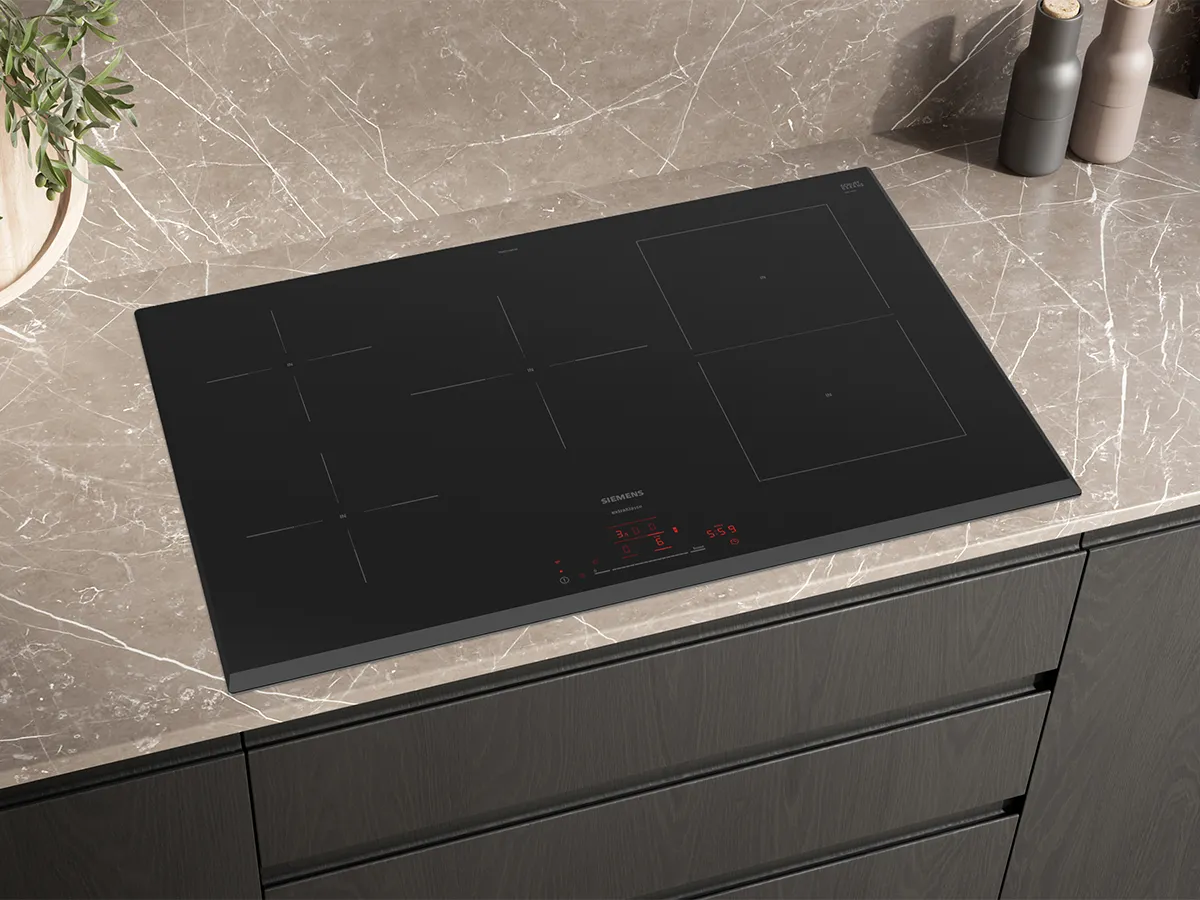
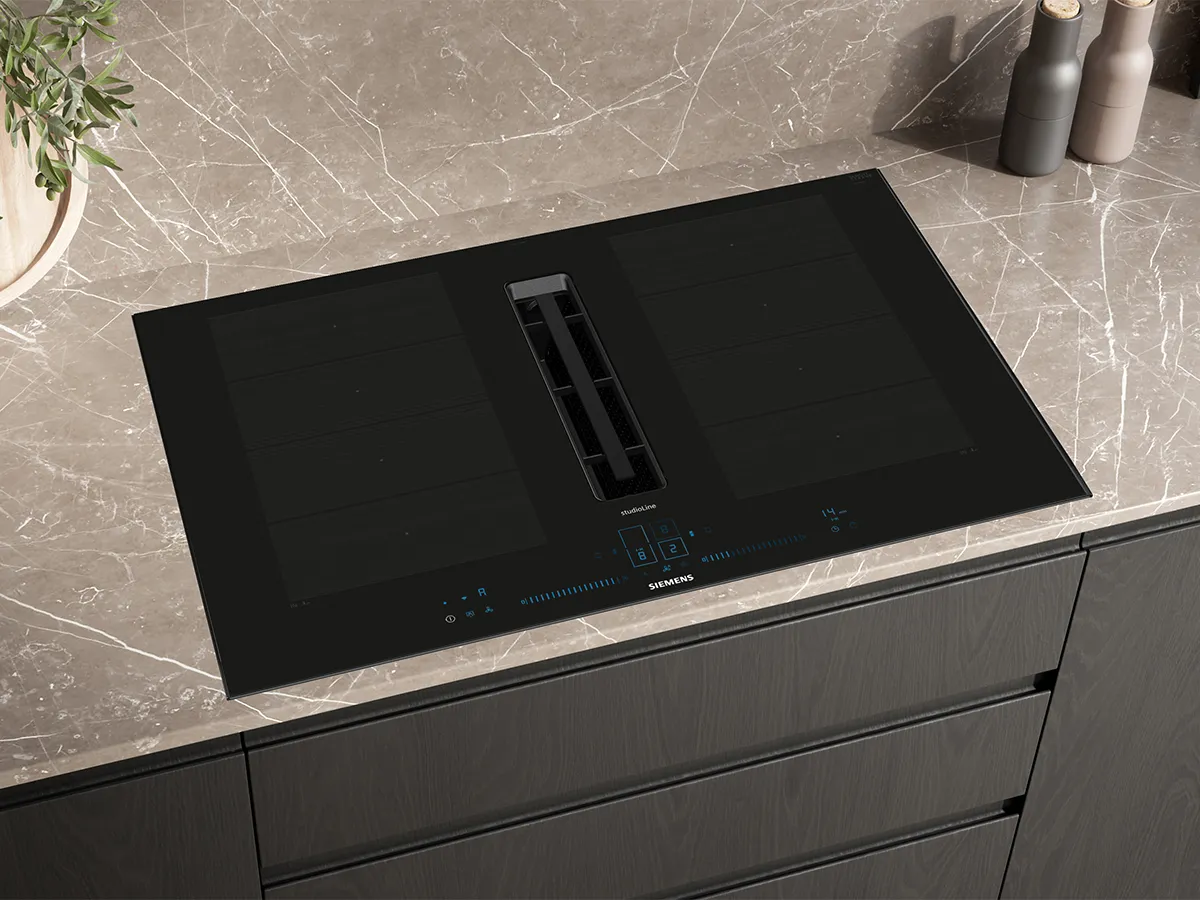
The kitchen is the heart of the home, serving as a space for cooking, entertaining and spending time with family and friends. Siemens offers a range of stylish hoods, from ceiling designs to glassdraftAir options, all equipped with advanced features to support your cooking experience. With quiet operation and ambient lighting, our hoods help create a pleasant kitchen environment. Explore intelligent ventilation solutions, including venting hobs with inductionAir Plus, which combine an induction hob and integrated extractor in a single appliance for a clear view across your kitchen.What type of cooker hood should I buy?
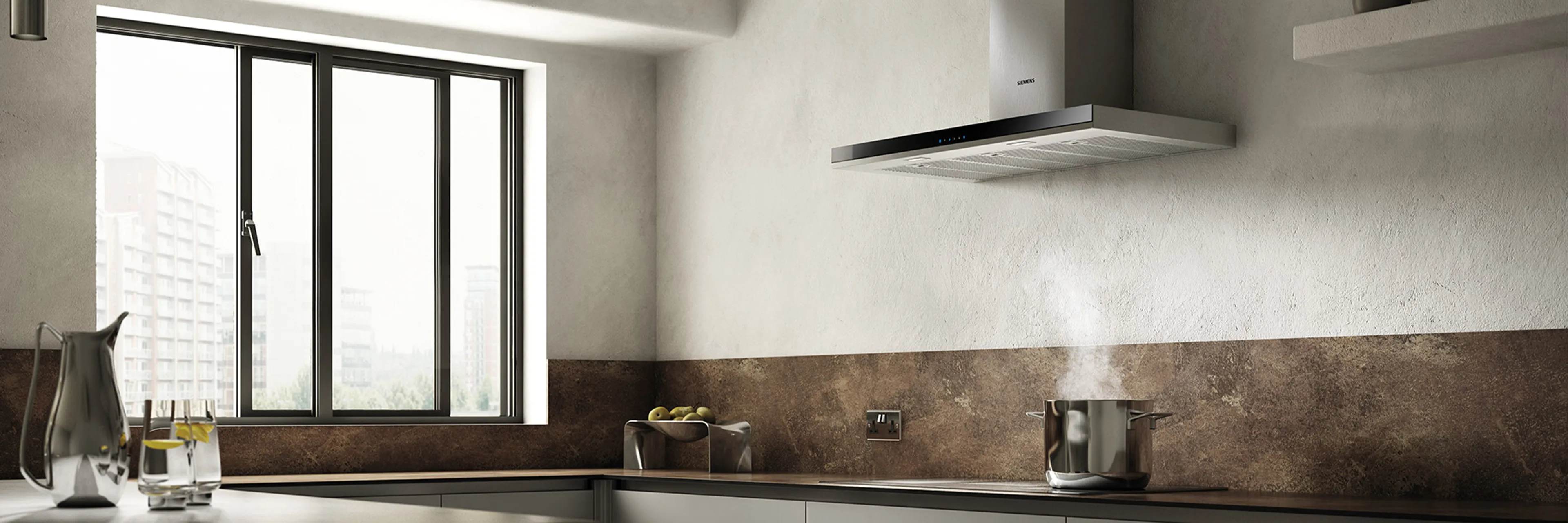
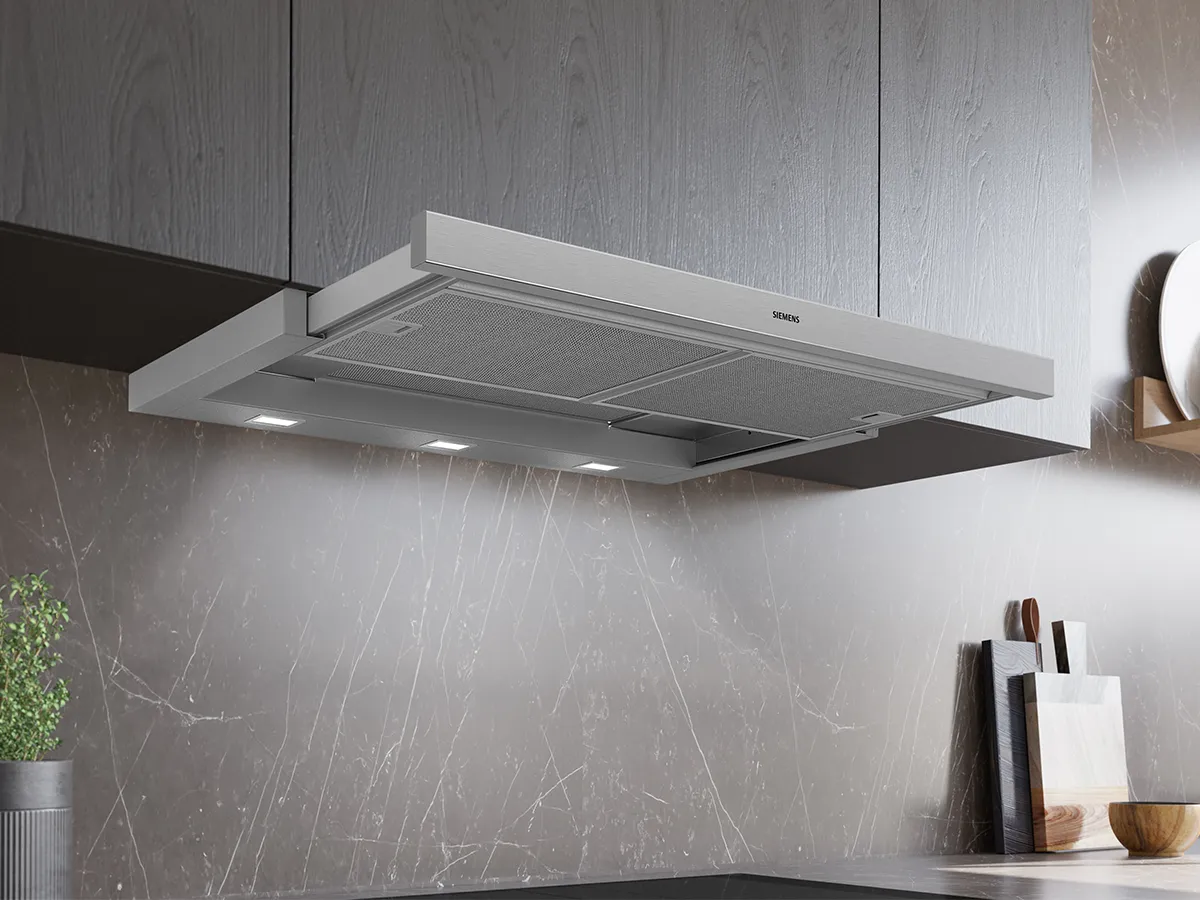
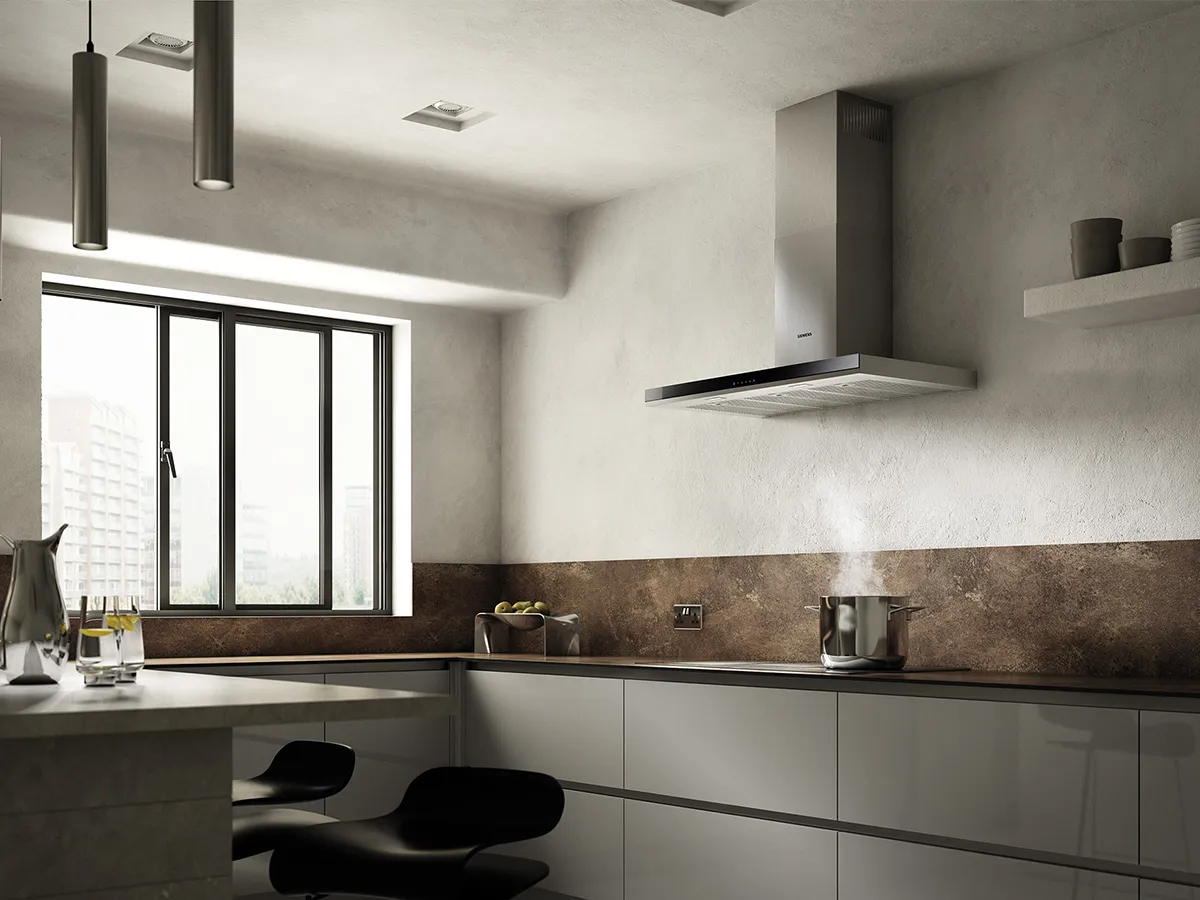
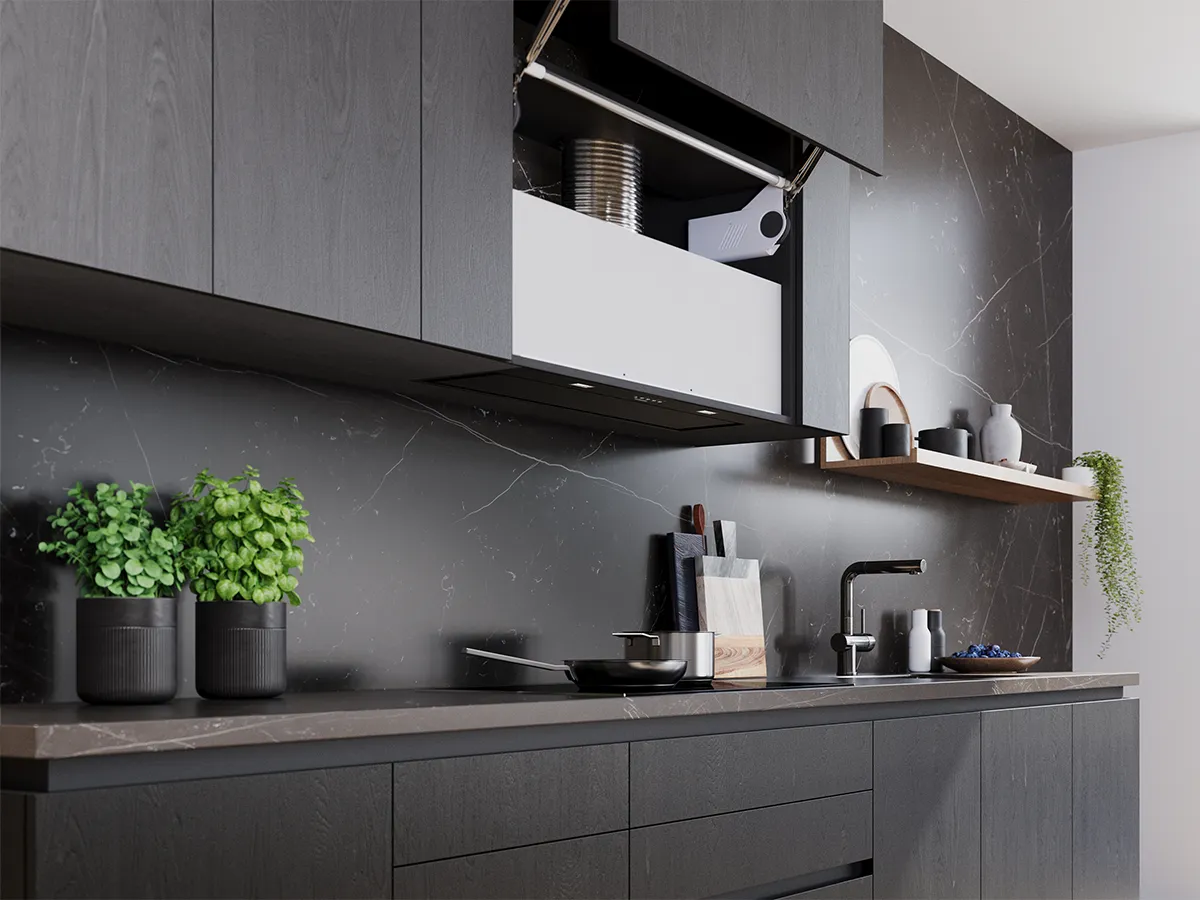
Whilst all extractor hoods are effective, the specific type you need will depend on the layout of your kitchen, installation requirements and your design preference. Island hobs can be fitted with the following types of kitchen island hood: a ceiling hood, island chimney hood, downdraft hood or vented hob. While built-under hoods, canopy hoods, integrated design hoods, telescopic hoods, wall chimney hoods and vented hobs are suitable for standard kitchens.
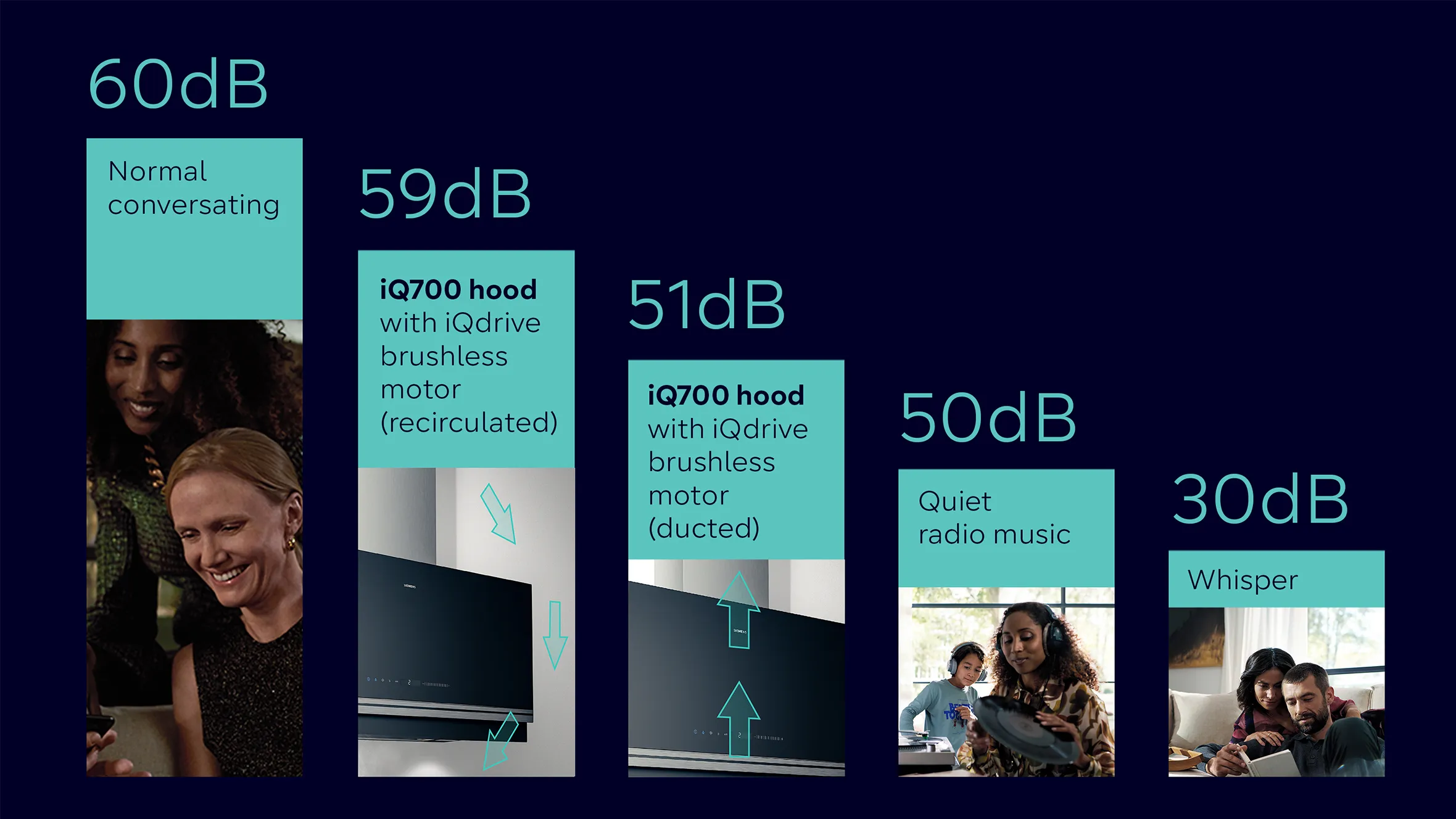
Quiet cooker hoods
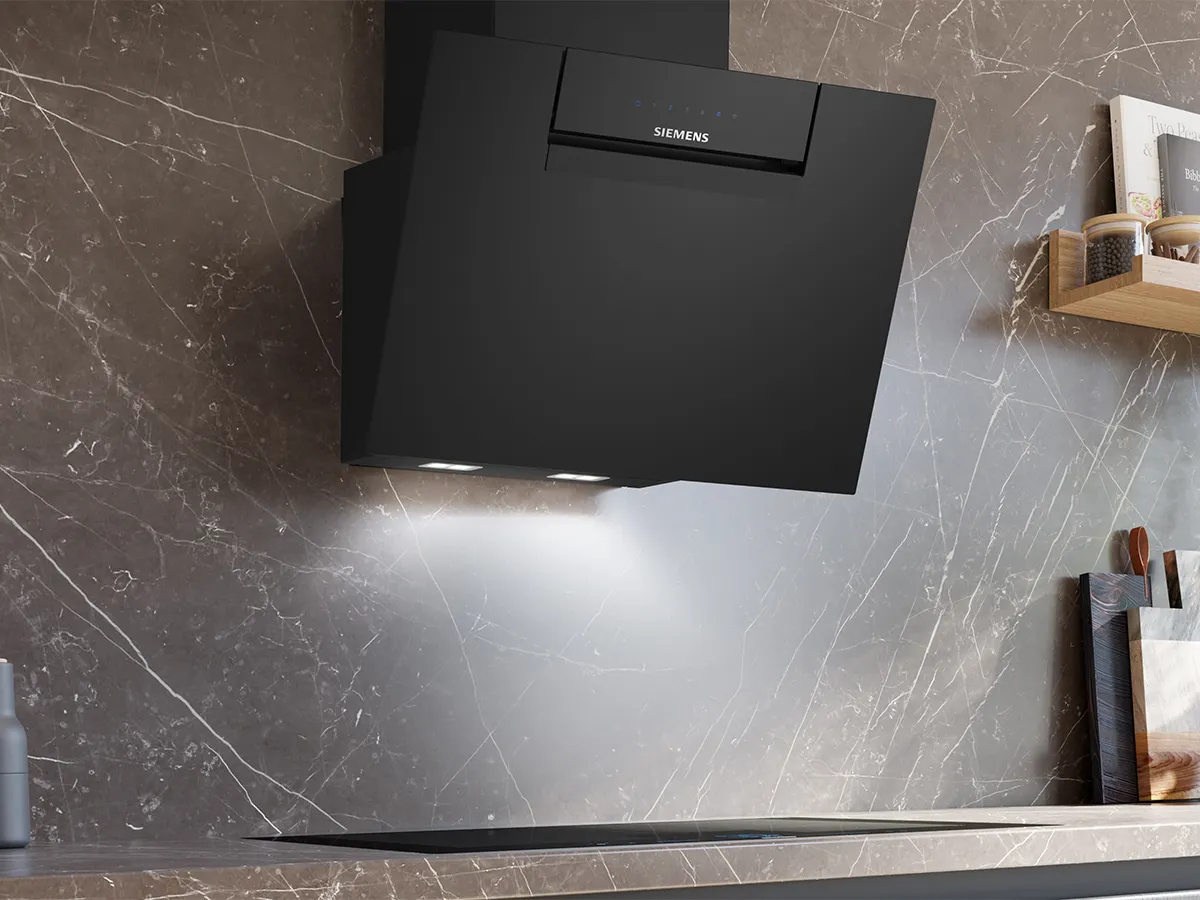
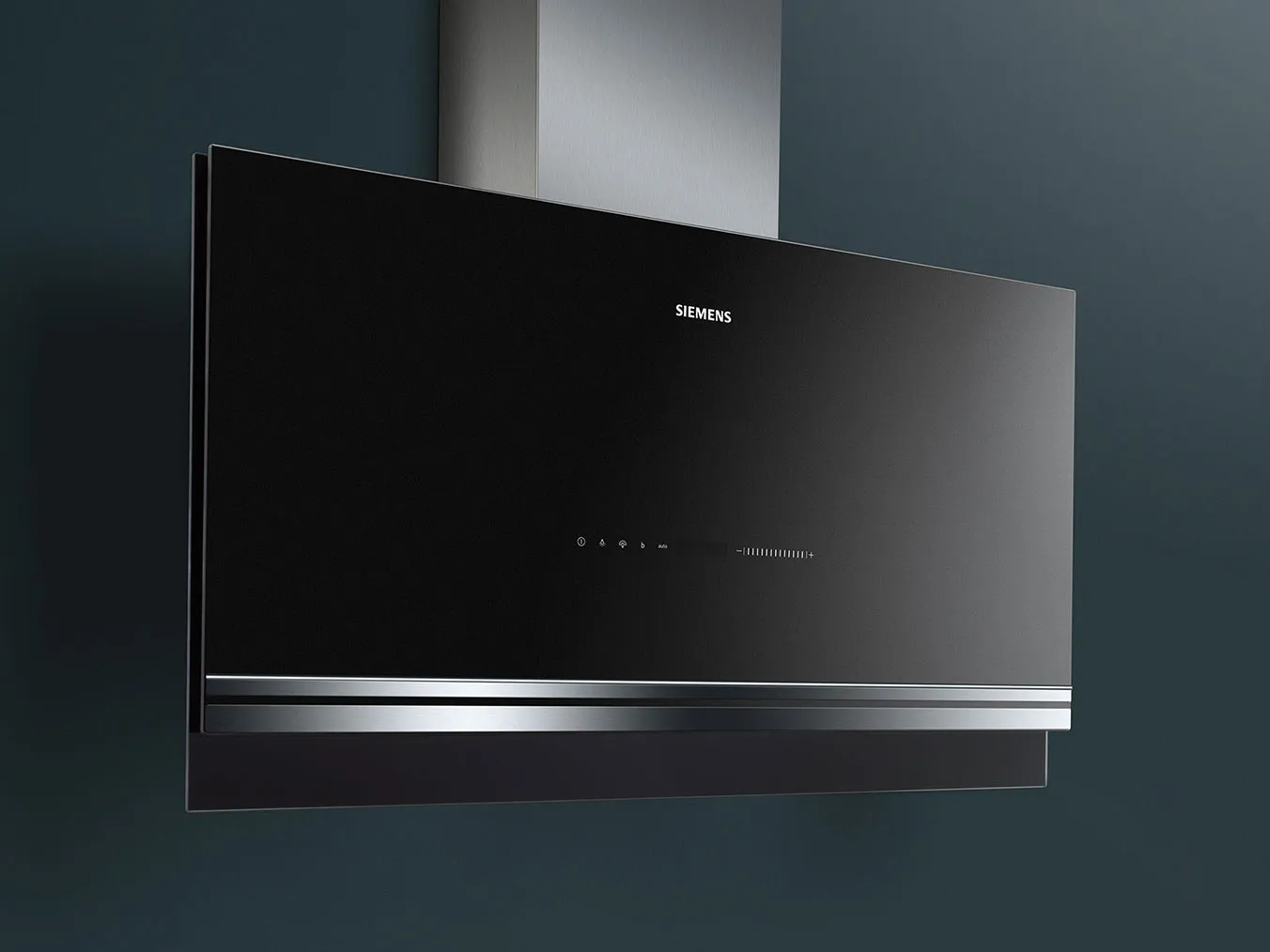
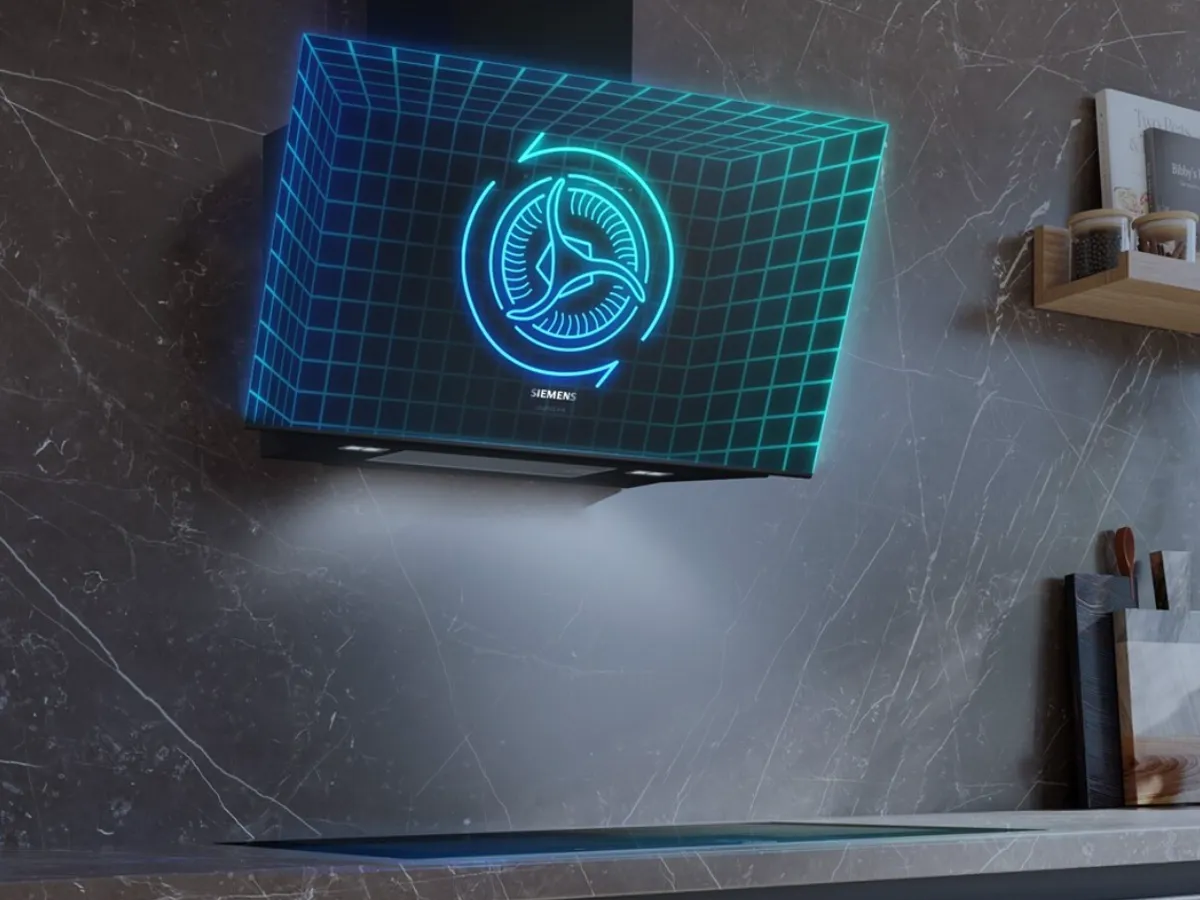
Noise levels are a crucial consideration when choosing a cooker hood, and Siemens' iQ300 and iQ700 incline hoods stands out with its innovative iQdrive motor, delivering impressively low decibel levels for a serene kitchen environment. Operating at just 51dB in recirculation mode, these hoods are significantly quieter than normal conversations, enabling you to enjoy family time or entertain guests without distractions. With the iQdrive motor, you can maintain a fresh and odor-free atmosphere while savoring every moment in your kitchen.
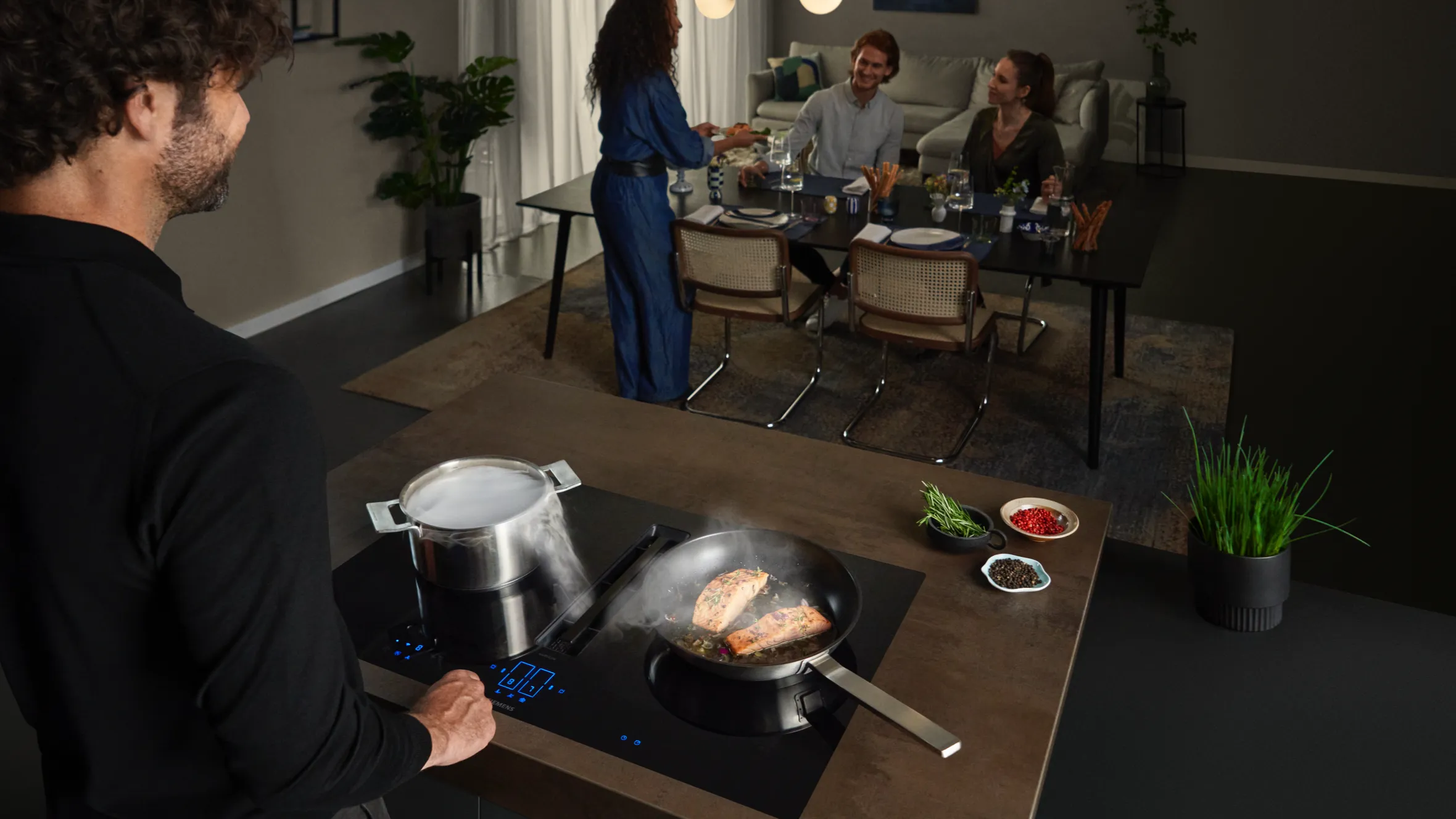
Thinking of a kitchen island?
A 2-in-1 solution
By removing the need for an over-head extractor, the hob creates a sense of free-flowing space and light - perfect for sociable cooks looking to maximise their cooking and entertaining space. Discover the innovative design that brings together functionality and style for an exceptionally quiet ventilation experience.
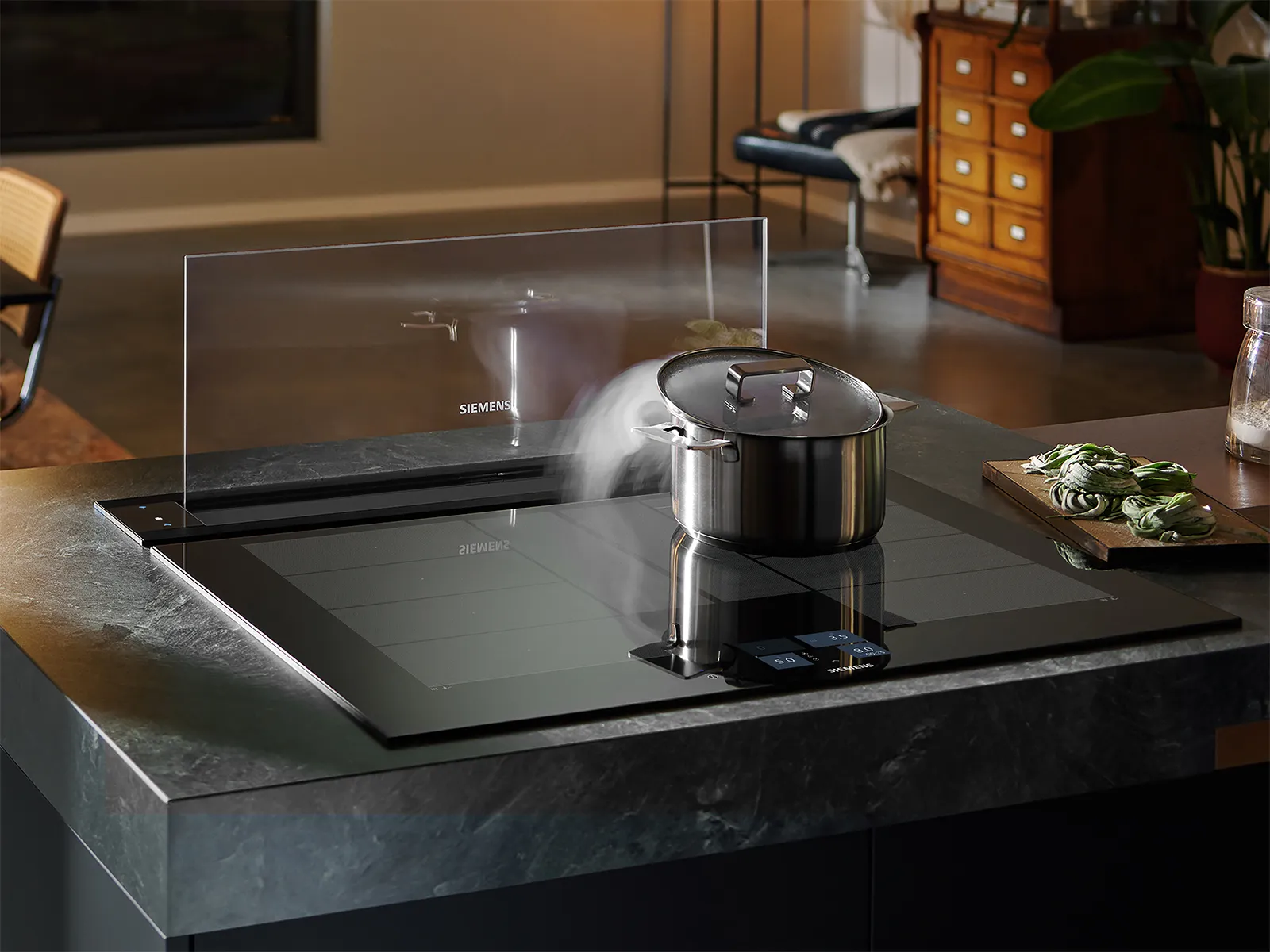
glassdraftAir
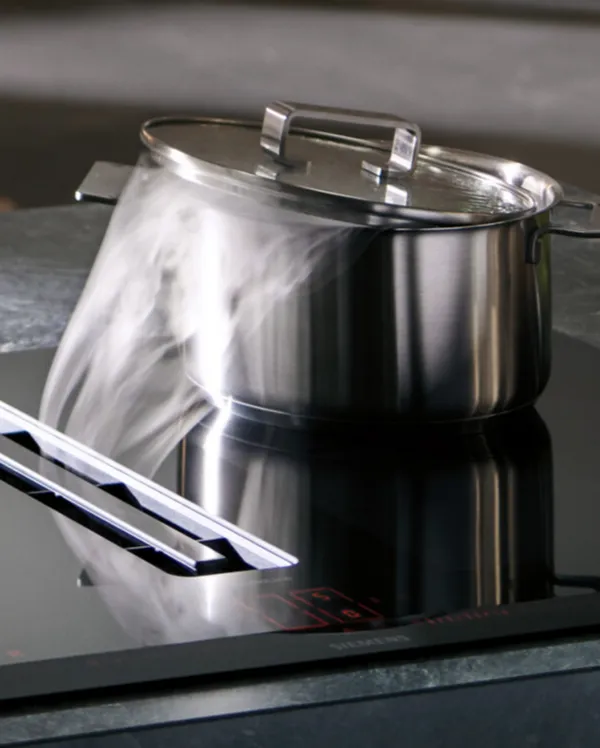
The sleek glassdraftAir is a bold statement of innovative kitchen design that not only catches steam, but the attention of your guests as well. Watch them marvel as the transparent glass rises seamlessly from the worktop, gently removing excess steam and unwanted cooking smells with ease.
The intelligent design features for your new extractor
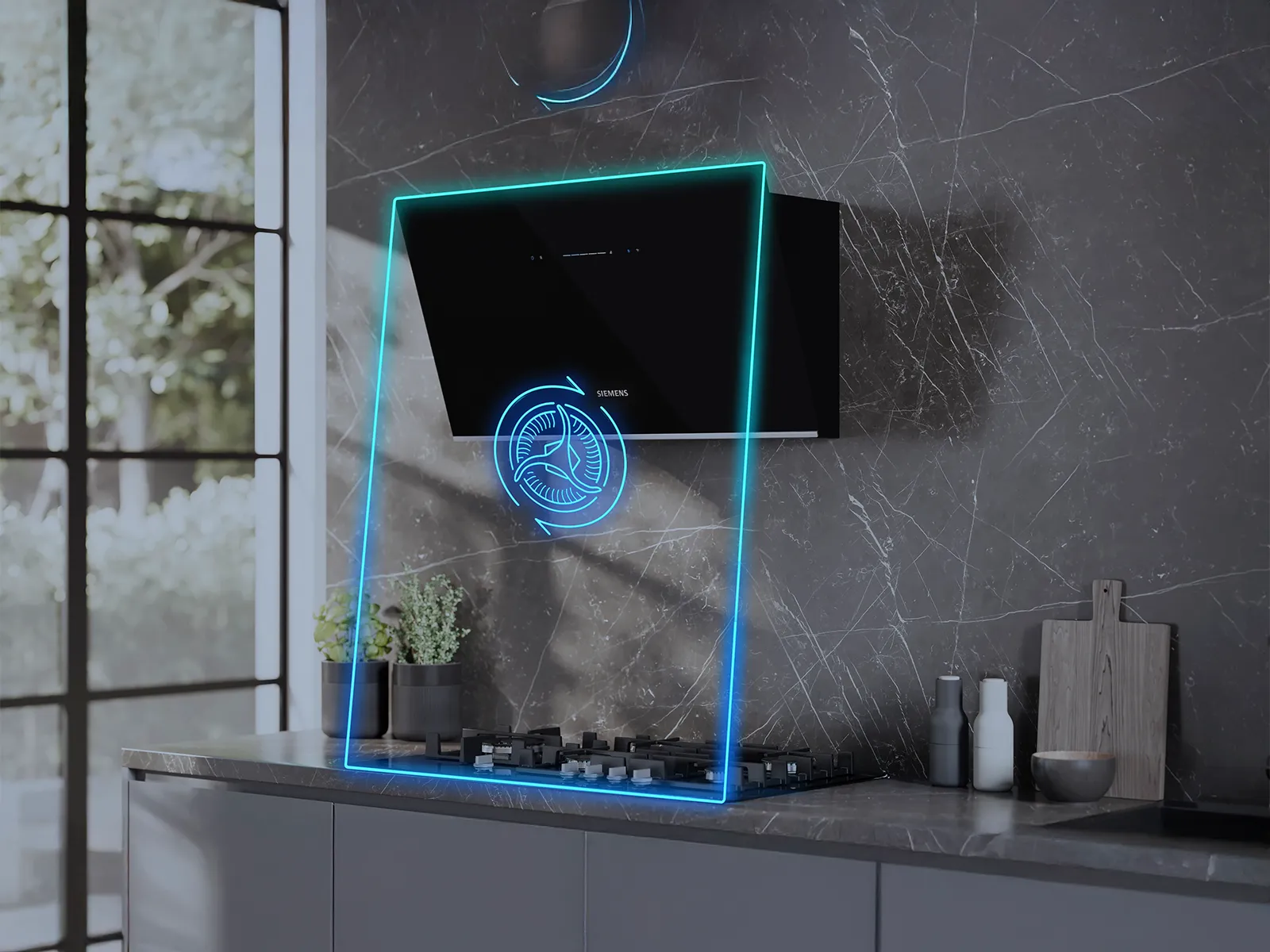
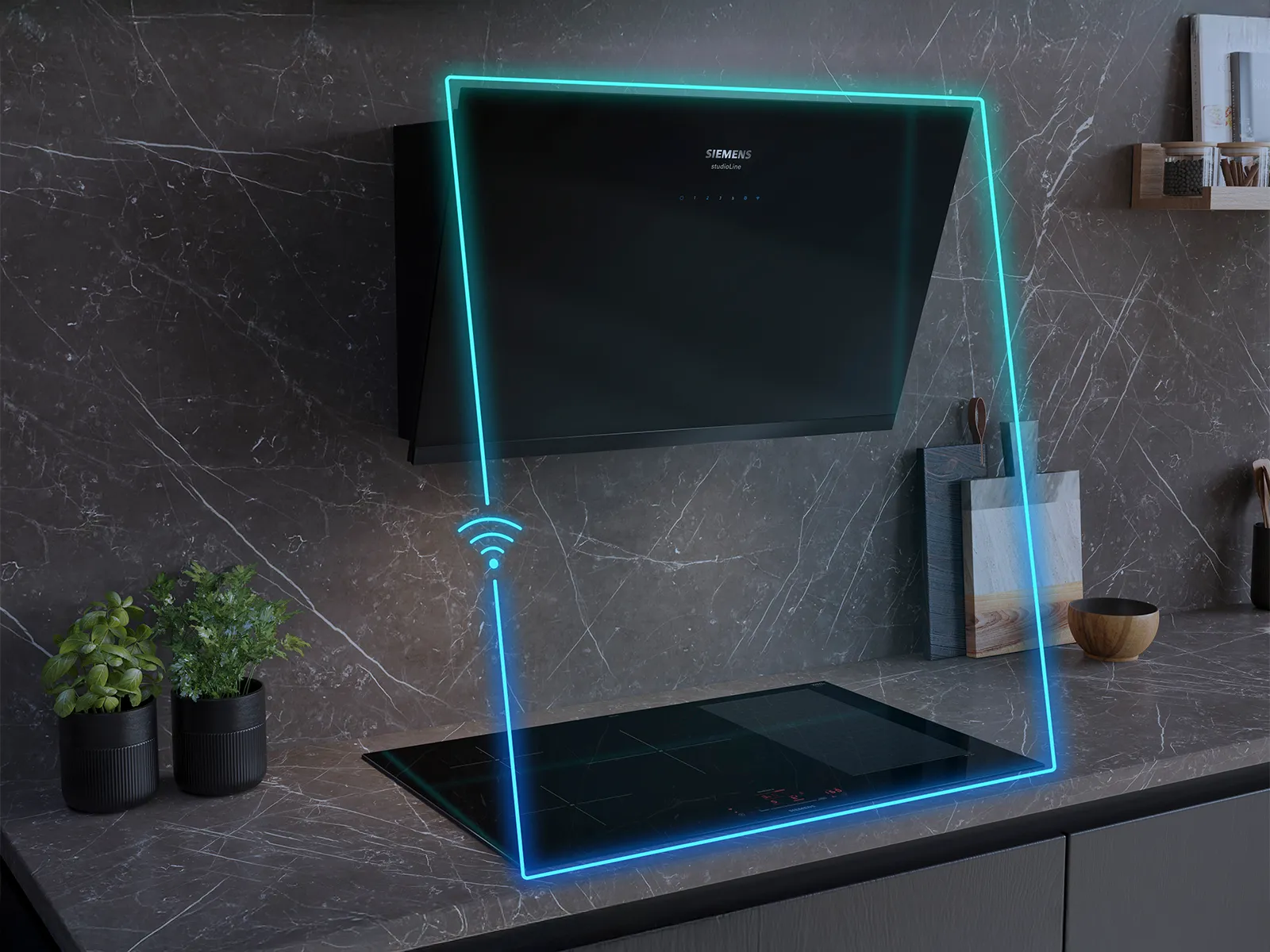
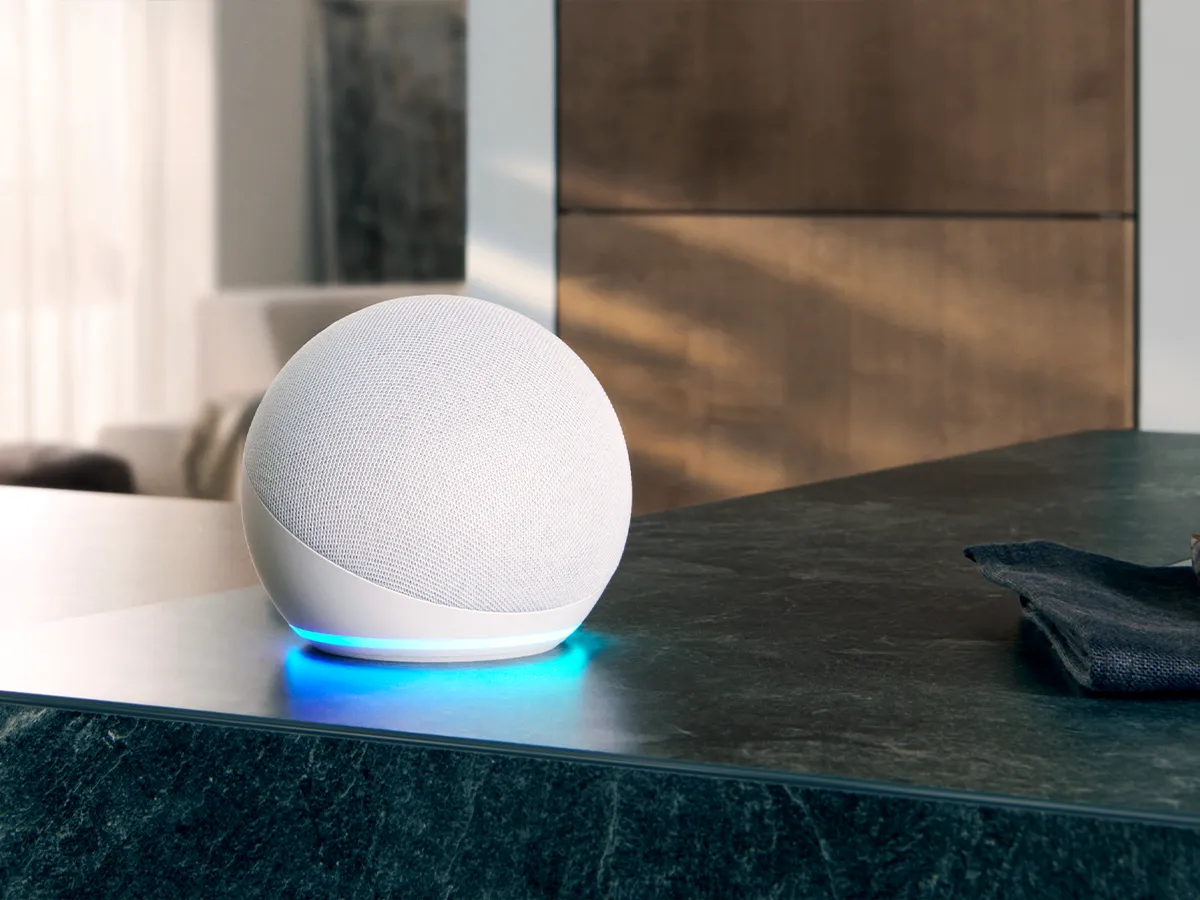
Discover the intelligent design features that enhance your new extractor’s performance and ease of use. Siemens hoods are equipped with cutting-edge technology that not only optimizes extraction efficiency but also simplifies your cooking experience. From quiet operation and automatic adjustments to seamless connectivity with your cooking appliances, these innovative features support a cleaner, more comfortable kitchen environment. Embrace the future of kitchen ventilation with solutions that keep your focus on what truly matters.
Installation options
Understanding your options is essential for kitchen comfort and ventilation performance. You can choose between ducted ventilation, which removes steam and odours by venting air directly outside, and recirculated ventilation, ideal for spaces where ducting isn't practical. Each method has unique characteristics that can affect air flow and noise levels. Additionally, selecting the appropriate filter type and ensuring the correct hood height can help support effective ventilation in your kitchen.
Recirculating or ducted?
What is ducted ventilation?
For the best extraction performance, a ducted extractor hood should be installed to vent air directly outside. This method effectively removes steam and odors, ensuring a more serene kitchen environment. However, effective planning of the ducting system is required for optimal results. Ducted ventilation is quieter, making it an excellent choice for those concerned about noise levels.
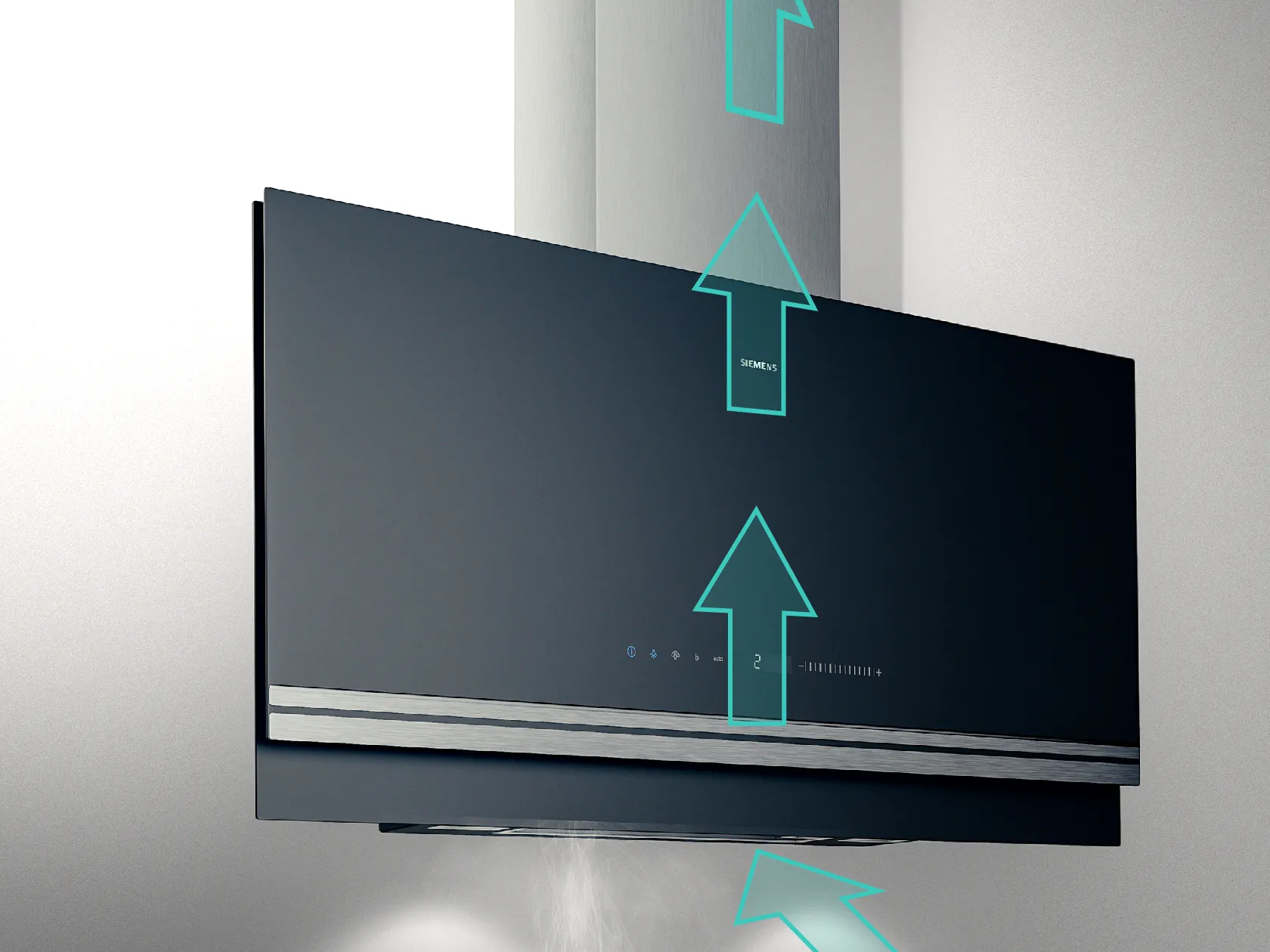
What are the different types of filter?
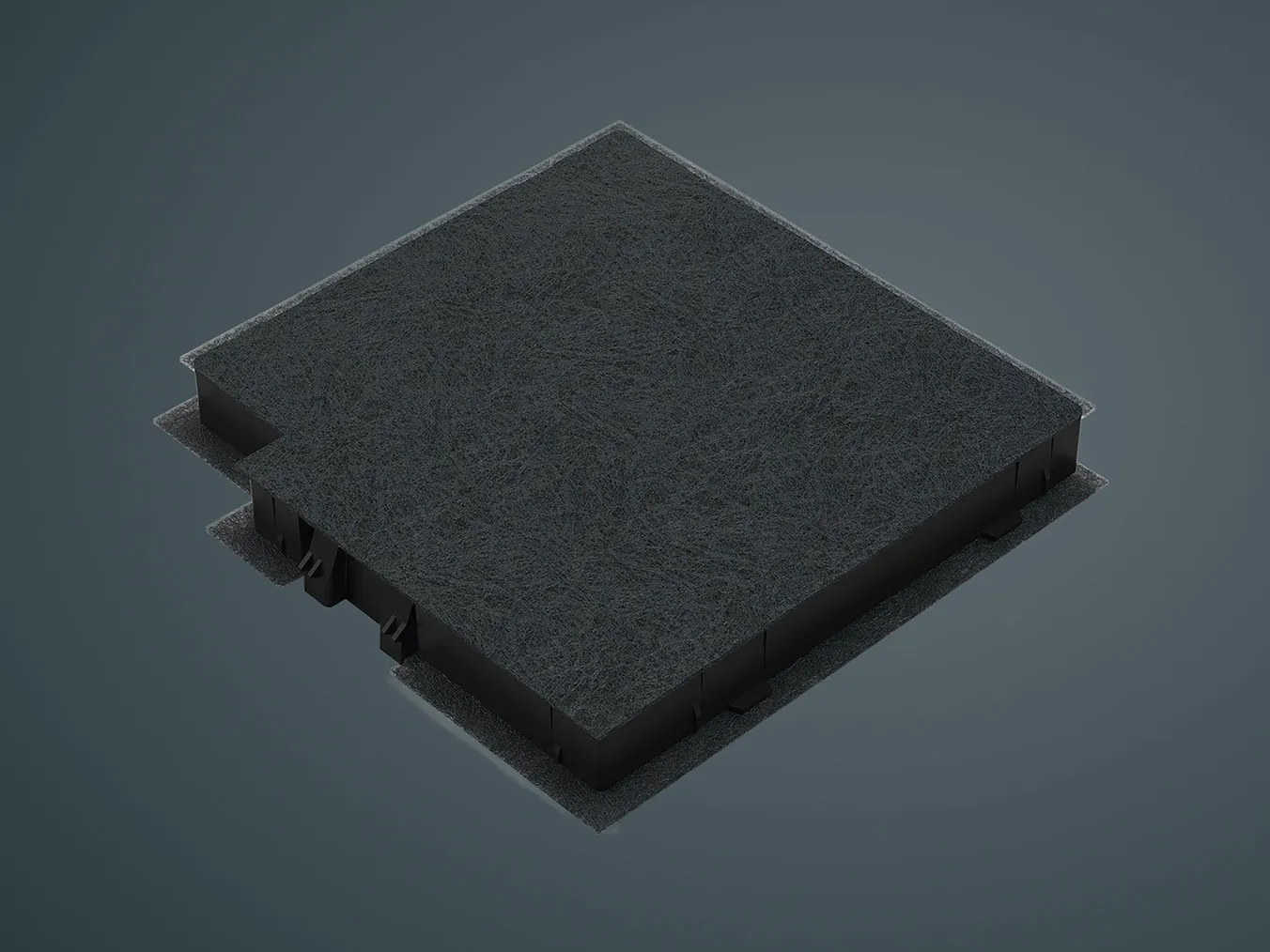
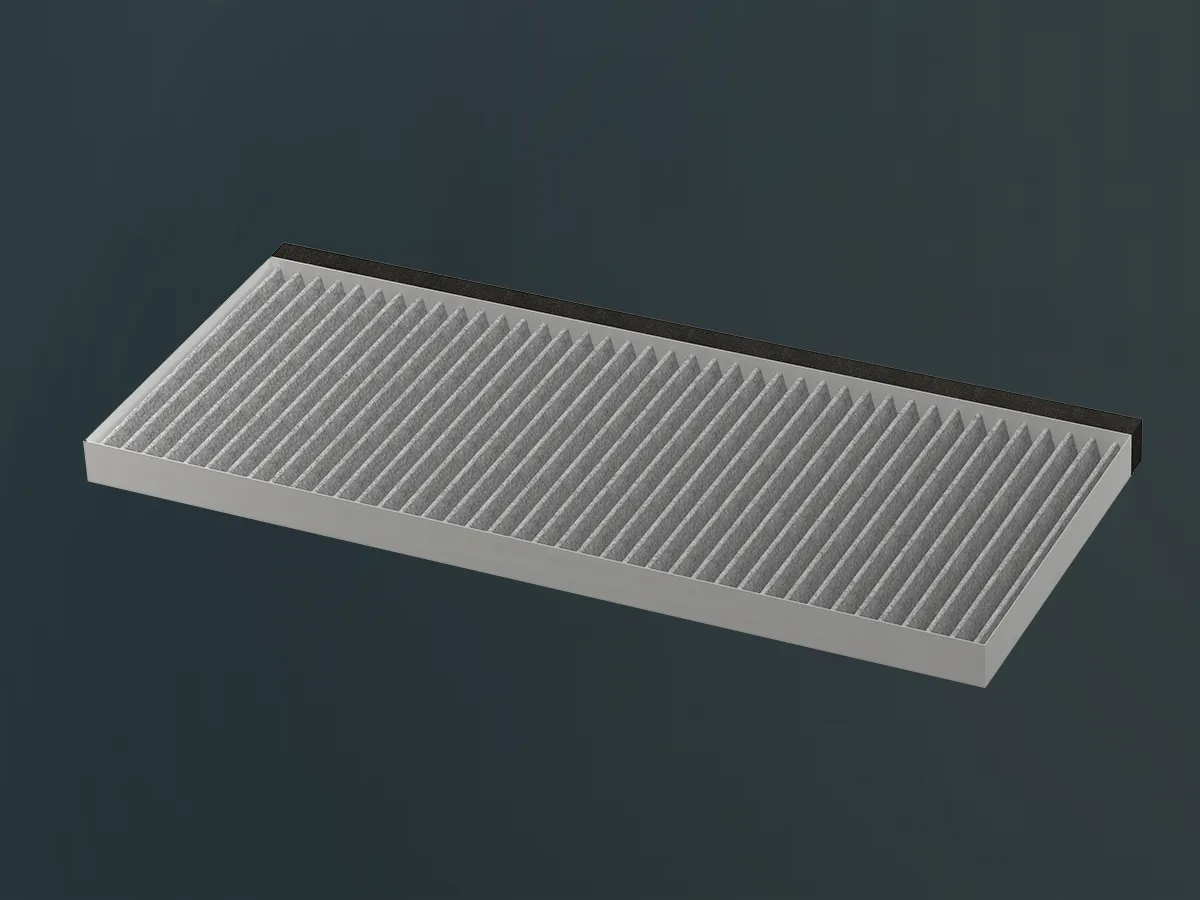
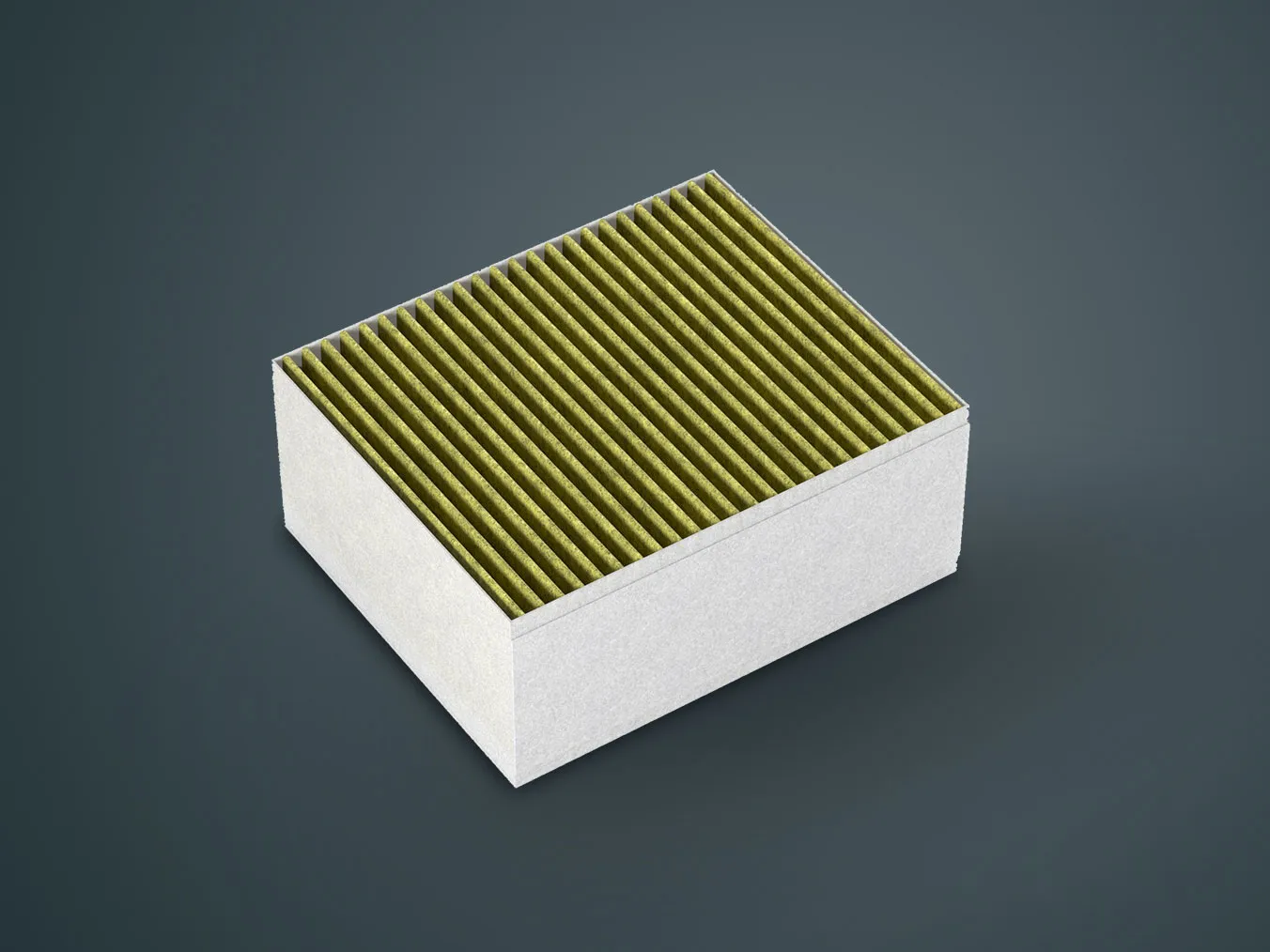
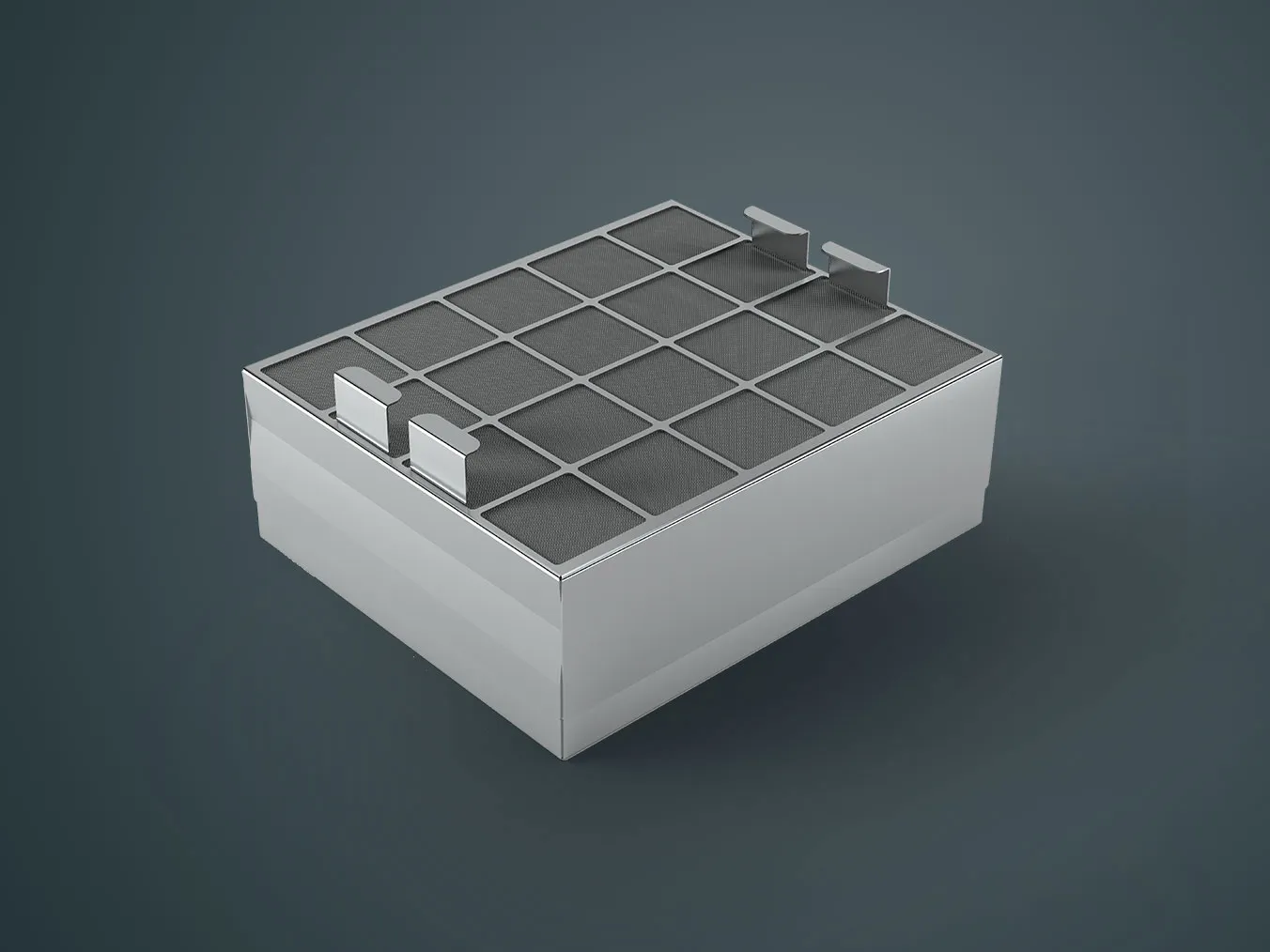
When choosing a Siemens extractor hood, it's important to consider the type of filter, as it can impact air quality and noise levels. Siemens offers four options: the Standard Odour Filter, CleanAir Filter, CleanAir Plus Filter, and Long Life Regenerative Filter. Each provides effective odor control and a lifespan of 6 to 12 months. Filters like the CleanAir and CleanAir Plus also reduce noise by up to 3 dB (A), creating a quieter cooking environment. Selecting the right filter ensures not only fresher air but also a more peaceful kitchen experience.
How high should the cooker hood be installed?
The amount of clearance required depends on which type of hob you choose. For standard electric, ceramic and induction hobs, your cooker hood should be between 55 – 70cm high while gas hobs need a clearance of at least 65cm – and more for larger appliances.
Electric or induction hobs
If you have an electric hob, you will need clearance of between 45 and 65cm between the cooktop and hood. This depends on the type of hood you choose.